In the competitive world of digital marketing, businesses constantly face the dilemma of choosing between Search Engine Optimization (SEO) and Pay-Per-Click (PPC) advertising. Both strategies aim to drive traffic to your website and boost online visibility, but they take vastly different approaches. So, which one is the right fit for your business? The answer depends on several factors, including budget, goals, timeline, and industry dynamics. Let’s dive deep into the pros, cons, and best-use cases for each.
Understanding SEO and PPC
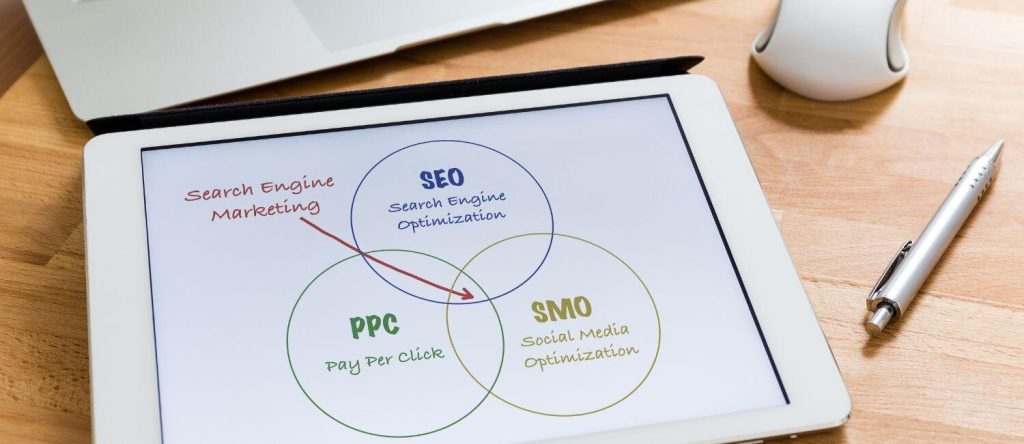
Before deciding which strategy works best, it’s essential to understand how each method operates.
SEO (Search Engine Optimization) is the process of optimizing a website to rank higher in organic search results on search engines like Google and Bing. It involves keyword research, quality content creation, site optimization, and earning backlinks.
PPC (Pay-Per-Click Advertising) is a paid digital marketing strategy where advertisers pay a fee each time their ad is clicked. PPC ads appear at the top of search engine results and other digital platforms like social media and display networks.
Each method has its strengths and weaknesses, making them suitable for different business needs.
The Advantages and Disadvantages of SEO

Pros of SEO
- Long-Term Growth: SEO is a sustainable strategy that, when done correctly, helps websites rank higher over time.
- Cost-Effective: Unlike PPC, SEO does not require direct payments for clicks or impressions.
- Credibility and Trust: Organic search results are perceived as more credible compared to paid ads.
- Higher Click-Through Rates (CTR): Studies show that users are more likely to click on organic search results than sponsored ads.
- Better ROI Over Time: Since traffic comes organically, the return on investment for SEO tends to increase over time.
Cons of SEO
- Time-Consuming: SEO takes months (or even years) to build authority and achieve high rankings.
- Algorithm Changes: Search engine algorithms frequently change, making it necessary to adapt SEO strategies.
- Competition: Highly competitive industries may find it challenging to rank on the first page.
- Requires Expertise: Implementing SEO effectively requires in-depth knowledge of keyword strategy, technical SEO, and link-building techniques.
The Advantages and Disadvantages of PPC

Pros of PPC
- Instant Visibility: Ads appear on top of search results immediately after launching a campaign.
- Highly Targeted: PPC allows advertisers to target specific demographics, locations, and interests.
- Measurable Results: PPC provides detailed analytics on clicks, conversions, and cost-effectiveness.
- Great for Promotions: Businesses can use PPC for seasonal sales, new product launches, or quick exposure.
- Controlled Budget: Advertisers can set daily budgets and bid strategies to manage costs effectively.
Cons of PPC
- Expensive: Popular keywords can have high costs per click, leading to expensive ad campaigns.
- Short-Term Traffic: Unlike SEO, PPC traffic stops immediately when the budget runs out.
- Lower Credibility: Some users intentionally skip ads in favour of organic search results.
- Requires Ongoing Investment: Businesses must continually invest in PPC campaigns to maintain visibility.
- Competition Can Be Intense: Bidding wars for keywords can drive costs higher in competitive industries.
Which Strategy Works Best for Your Business?

Now that we understand the benefits and drawbacks of both SEO and PPC, the big question remains – which strategy is best suited for your business?
When to Choose SEO
SEO is ideal for businesses looking to establish a strong long-term online presence. If your industry has moderate competition and your goal is to build brand credibility and organic traffic, SEO is the way to go. It’s an excellent strategy for blogs, service-based businesses, and local companies that rely on search visibility to generate leads.
When to Choose PPC
PPC is perfect for businesses that need fast results or operate in highly competitive industries where organic ranking is challenging. If you’re launching a new product, running promotions, or targeting specific audiences, PPC can provide immediate traffic and measurable ROI. E-commerce stores, startups, and businesses with a dedicated advertising budget often benefit from PPC campaigns.
Combining SEO and PPC for Maximum Impact

Rather than choosing one strategy over the other, many businesses find success in using both SEO and PPC together. A combined approach can provide the best of both worlds:
- PPC for Instant Traffic: Use paid ads to drive immediate visitors while waiting for SEO efforts to gain traction.
- SEO for Sustainable Growth: Over time, SEO improves organic rankings, reducing dependency on paid ads.
- Retargeting: Use PPC to retarget visitors who discovered your brand through SEO but didn’t convert immediately.
- Keyword Insights: PPC campaigns can help identify high-performing keywords that can be incorporated into SEO strategies.
Conclusion

There is no definitive answer to whether SEO or PPC is superior—they serve different purposes. If you prioritize cost-effectiveness and long-term traffic, SEO is the right choice. However, if you need immediate results and precise audience targeting, PPC is the way to go. The most successful businesses often combine both approaches to maximize visibility, conversions, and overall growth.
So, before making a decision, analyse your goals, competition, timeline, and budget. Ultimately, the best strategy is the one that aligns with your business objectives.